You Are Allowed to Leave It Empty
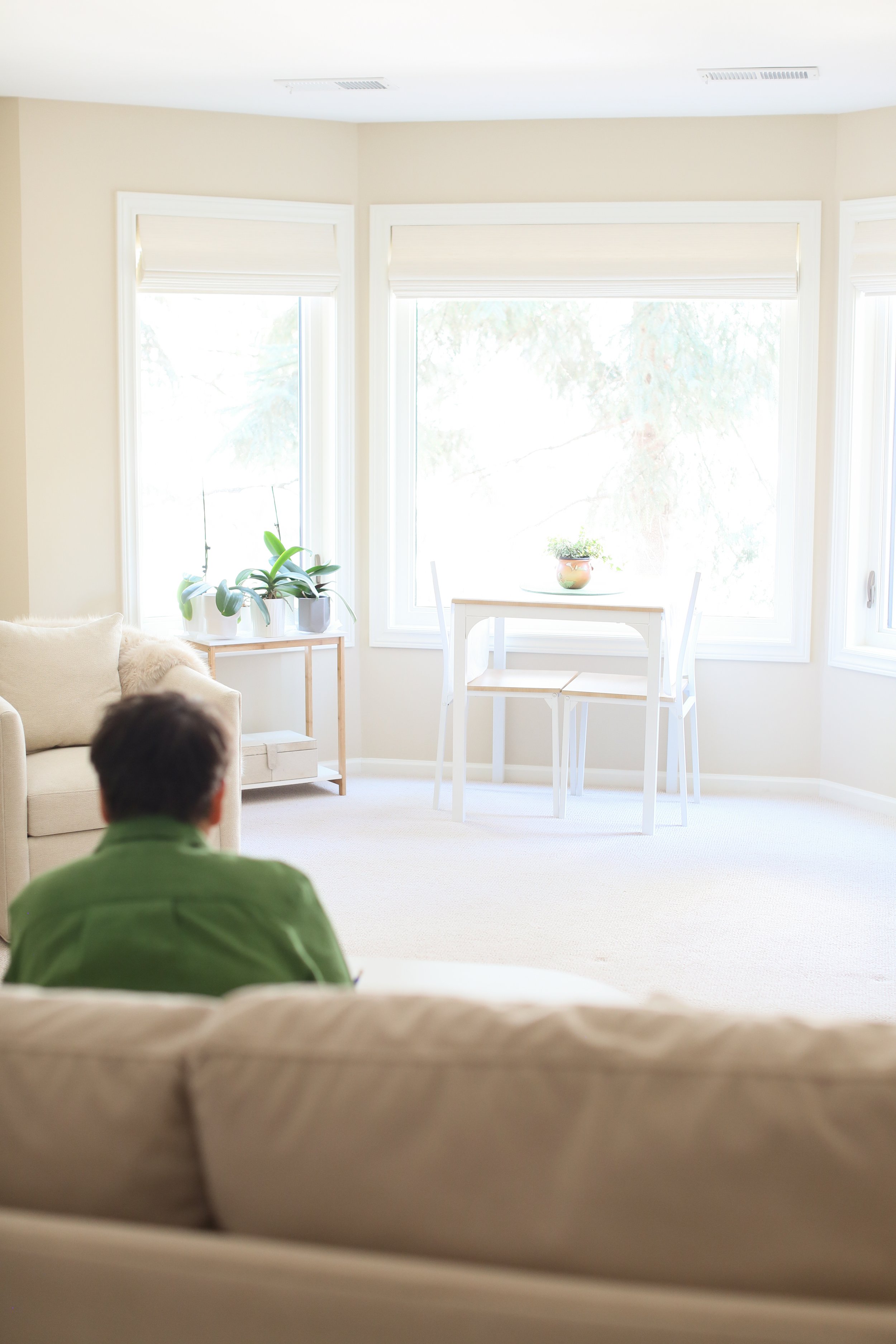
Remember that shelf you cleared last spring?
The one that felt so good when you finished it?
For a little while, there was nothing there.
You could see the back of the shelf.
Maybe you even stood there for a second and thought:
Ahhhh. Relief.
And then life happened.
Something landed there because you weren't sure where else to put it.
Then something else.
A book you were going to give someone.
A return that needed to go back to the store.
A stack of papers you needed to look through.
And now?
The shelf is full again.
Before you decide that you failed at decluttering, I want you to know something.
This may be one of the most normal things in the world.
Because for a very long time, an open space in your home may have meant one thing:
Available.
An empty shelf could hold something.
An open spot on the counter could hold something.
An empty drawer could hold more.
A clear corner of a room?
Surely something should go there.
Everyone in the house may have learned this.
Including you.
So maybe the problem isn't that you don't know how to clear a shelf.
Maybe nobody ever taught you that you are allowed to leave it empty.
Clearing out and making room are not the same thing
We tend to talk about decluttering as getting things out.
Purge the closet.
Clear the counter.
Empty the drawer.
Fill the donation bins.
And there can be enormous relief in that.
You finish, look around and think:
Finally.
But clearing out and making room aren't quite the same thing.
Clearing out is about what is left.
Making room asks what the space you created is for.
What sounds like a small distinction isn't.
Because if the only purpose of an empty shelf is to get rid of the stuff that was there, then that empty shelf will simply be available tomorrow.
Or next week.
Or next month.
What if you stood in front of that newly cleared shelf and asked something different?
What does having this open space open up for me?
Don't rush to answer.
Look at it.
Maybe the answer is:
I can breathe.
My eyes have somewhere to rest.
The room feels calmer.
I don't feel like everything is closing in on me.
Or maybe your answer is wonderfully simple:
I like it.
That's enough.
Now someone standing beside you—a decluttering coach, a Professional Organizer, maybe a trusted friend—might simply reflect back what you just discovered:
“Then maybe that's what this space is for.”
Not storage.
Not another decorative object.
Not something you haven't bought yet.
Space.
Empty doesn't have to mean unfinished
This can take some getting used to.
Especially if you've spent years looking at every open surface as something waiting to be filled.
An empty shelf can almost feel unfinished.
You might find yourself thinking:
What should I put there?
Maybe nothing.
What if the empty space is already serving you?
What if it is giving you ease?
Or calm?
Or simply less visual noise?
Then it isn't wasted space.
It isn't unfinished.
It has a purpose.
Your purpose.
And that changes the question the next time something lands there.
Instead of:
Is there room for this?
You can ask:
Does putting this here take away something I chose to make room for?
Now you have something to come back to.
Not a rule.
Not, “Nothing can ever go on this shelf.”
A reason.
Your reason.
This space brings me peace.
This is why the same spaces can keep coming back around
Maybe you've decluttered the same closet three times.
Or cleared the kitchen counter every January.
Or spent more Saturdays than you care to remember filling donation bins, only to wonder months later how everything came back.
That doesn't necessarily mean you didn't work hard enough.
It may mean you started with the stuff too soon.
You cleared things out before deciding what you were making room for.
And that's where compassionate decluttering becomes about much more than the stuff.
Especially for women in midlife, letting go can be connected to so much more than needing less.
We women hold a lot within our four walls.
Our homes hold our history.
Our responsibilities.
Our relationships.
Our identities.
Sometimes our emotional clutter is sitting right alongside the physical clutter.
So the answer isn't always another weekend of bins.
There can be a whole path through this.
A path that begins with understanding what you want your home to give you now.
Then letting go of what no longer belongs in that vision.
And finally, learning how to live in the room you've made.
Including the parts you intentionally leave open.
You don't have to fill it
So go back to that shelf for a minute.
Maybe you will clear it again.
But this time, don't immediately decide what should go back.
Stand there.
Look at the open space.
Let yourself experience it before you fill it.
And ask:
What could this space give me if I let it stay open?
Maybe you'll know.
Maybe you won't.
Either is okay.
Making room is something you can learn.
And you don't have to figure out the whole path by yourself.
I've put the ways I work with women through this process together on my services page, from the smallest place to begin to support for a whole season of change.
You don't need to choose anything today.
You can simply take a look and see what it feels like when someone walks this path with you.
And if you'd rather begin with a conversation, there's a free one waiting there, too.
No decision required.

I would like to invite you to a free call.
If you would like someone in your corner, I invite you to a free call. Just a real conversation.
Schedule your discovery call here.
And if you're not quite ready for that, the quiz below is a gentle place to begin.
I welcome you to move at your own pace.
I'll be here when you're ready.
A FREE GIFT FOR YOU
A FREE GIFT FOR YOU
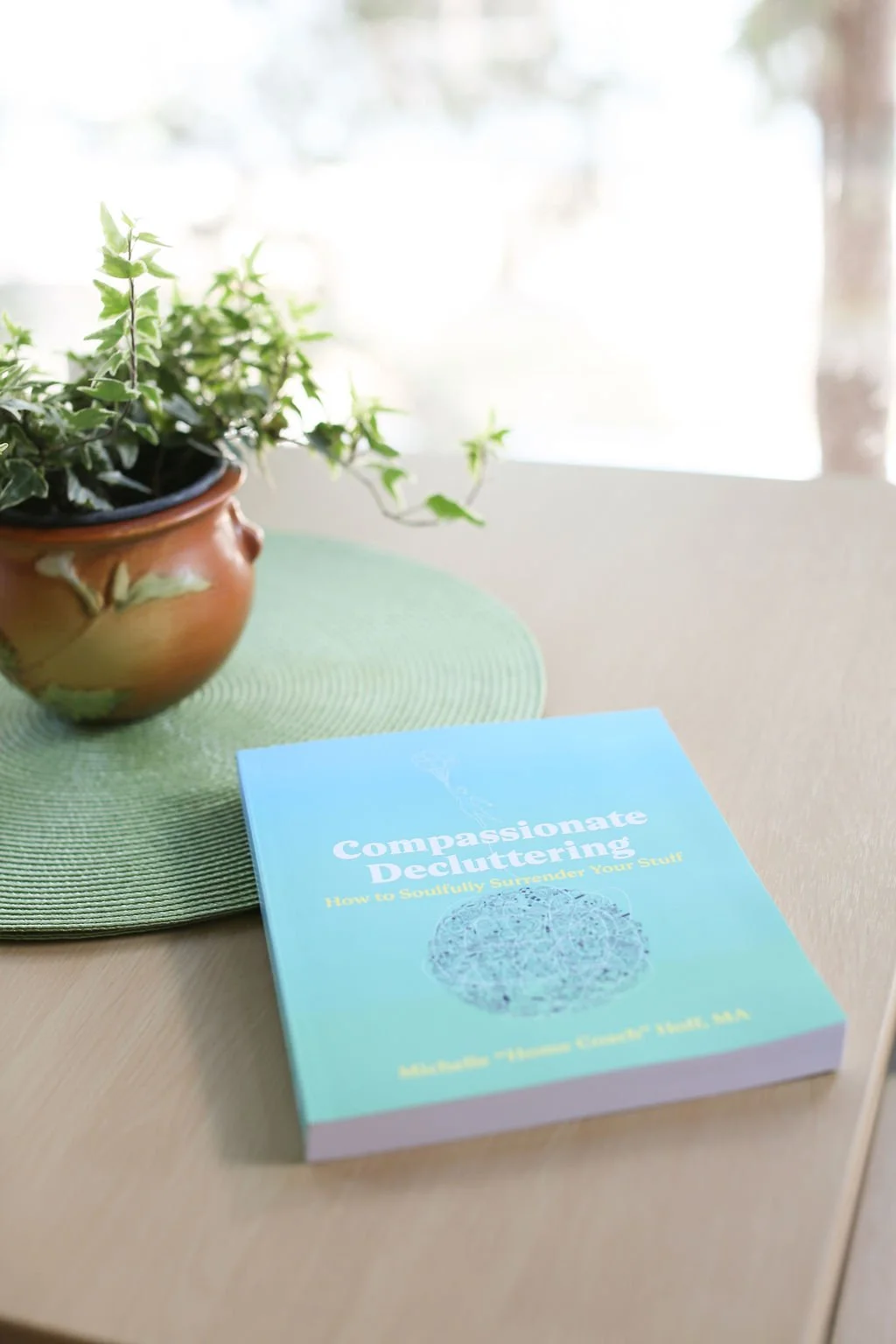
Wondering what’s really keeping you stuck?
Take the quiz
There are five types of holders and each one has her own story.
The quiz is free. It takes five minutes. And it just might be the most honest thing you do all week.